Empty office space can quickly become expensive for landlords. Business rates, service charges, insurance, utilities and ongoing maintenance costs continue whether a building is occupied or not.
The office market has changed significantly over the past few years. Hybrid working has reduced demand for large, outdated office layouts, while businesses are becoming far more selective about location, quality, flexibility and amenities.
As tenant expectations continue to evolve, landlords who adapt fastest are typically the ones securing occupiers more quickly.
Does office presentation really make a difference?
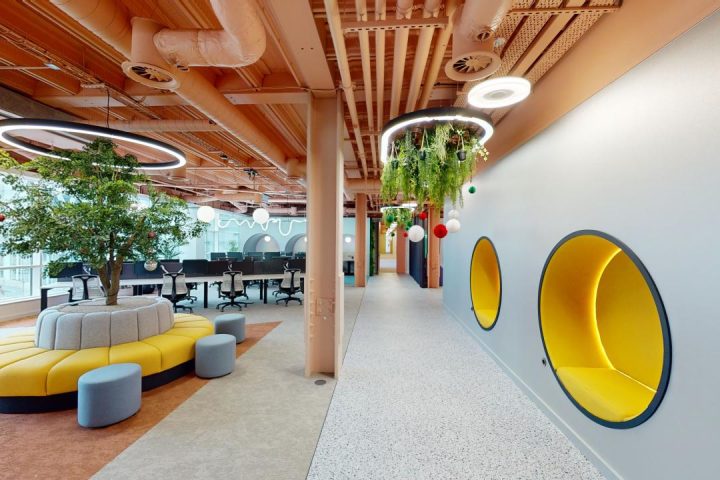
First impressions matter more than ever in commercial property marketing, especially in popular locations for office renting like Media City in Salford. A tired or poorly presented office can immediately deter potential tenants.
Simple improvements can make a substantial difference, including:
- Fresh decoration
- New LED lighting
- Modern flooring
- Upgraded reception areas
- Improved communal facilities
- Better signage and wayfinding
Businesses often want space they can move into quickly without significant upfront fit-out costs.
Should landlords offer more flexible lease terms?
Flexibility has become a major factor in office decision-making. Many businesses remain cautious about committing to long leases due to economic uncertainty and changing workplace strategies.
Landlords keen to attract a wider pool of tenants should consider offering:
- Shorter lease lengths
- Break clauses
- Managed space
- Inclusive rental packages
- Expansion options
This does not necessarily mean reducing income expectations. In many cases, flexibility simply broadens market appeal and accelerates decision-making.
How important is sustainability to occupiers?
Sustainability is no longer just a corporate buzzword. Many businesses now have ESG targets and environmental policies that directly influence property decisions. Buildings with poor EPC ratings or inefficient systems may become harder to let over time.
Landlords can improve appeal by investing in:
- Energy-efficient lighting
- Modern HVAC systems
- Smart energy controls
- Secure cycle storage
- Shower facilities
- Waste reduction initiatives
Even relatively small sustainability upgrades can positively influence tenant perception and marketability.
Is pricing strategy affecting void periods?
Pricing realistically is essential in competitive markets. Overpricing space can lead to prolonged vacancies, which often become more costly than adjusting quoting terms earlier.
Landlords should regularly review:
- Competing availability
- Incentive packages
- Achieved rents in comparable buildings
- Tenant demand trends
A proactive office agent can provide valuable insight into how the market is shifting and where repositioning may be required.
Why proactive marketing matters
Marketing office space today involves far more than uploading details to property portals. Strong marketing should include:
- Professional photography
- High-quality floorplans
- Virtual tours
- Clear availability information
- Targeted digital promotion
- Direct occupier outreach
Speed also matters. Responding quickly to enquiries and arranging viewings efficiently can significantly improve conversion rates.
The importance of adapting to the modern office market
Reducing void periods often comes down to understanding how occupier expectations have evolved. Businesses are looking for quality, flexibility, convenience and efficiency, not simply square footage.
Landlords who invest strategically, price realistically and present space effectively are typically in a far stronger position to secure tenants quickly, even in a competitive market.