

101 Princess Street – Fitted & Furnished
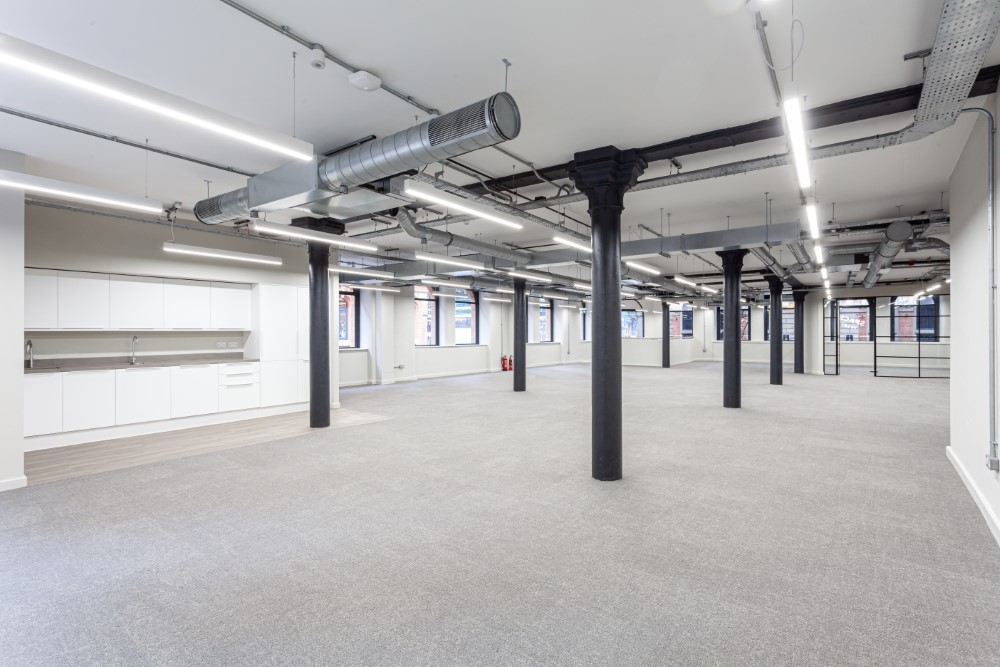
54 Princess Street – CAT A+
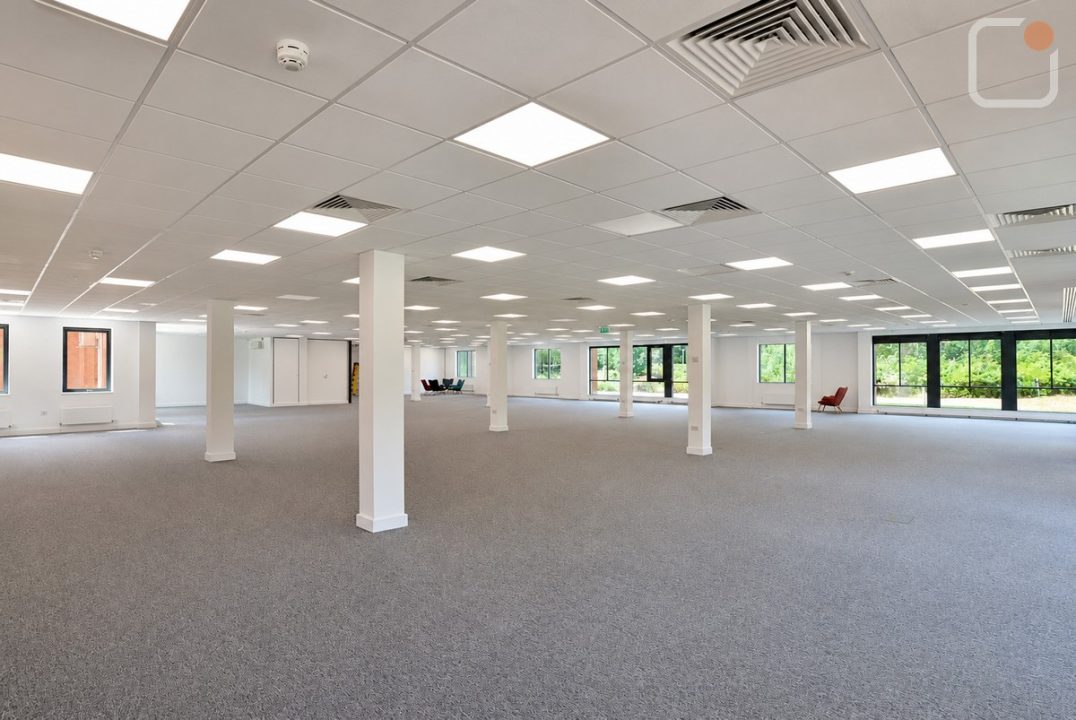
No.1 Dovecote – CAT A
Renting an office space is already stressful, without the added worry of not understanding property jargon. Phrases such as CAT A, all-inclusive, service charge, leasehold and freehold get thrown around in listings, with little to no explanation of what these terms mean. We’re here to help you get a better understanding, before you take the leap into renting your next office space. Think of this as the practical, plain-English companion to our legal-terms blog.
What does “All-Inclusive” Rent Actually Mean?
All-inclusive rent bundles service charge, insurance, and utilities into one monthly payment, taking away the stress of managing various payment accounts and making budgeting simpler. This typically suits smaller or serviced offices such as Bank Chambers in Wilmslow or The Classrooms in Sale. While the rent is priced slightly higher to cover a built-in safety margin for fluctuating costs like energy and maintenance, this means tenants are protected from unexpected price rises throughout the year.
What Do the Different Office Fit-Out Levels Mean?
Understanding the difference between these terms is vital when it comes to deciding how you want your office to look. CAT A and CAT A+ are both built by the landlord, while CAT B is completed by the tenant.
Historically the Landlord would deliver CAT A and the tenant CAT B but lines have become blurred with Landlords now delivering speculative fit out and sometimes even fully furnished options so new terminology has sprung up to try and help occupiers compare.
CAT A is a functional, blank-canvas baseline that includes flooring, basic mechanical and electrical services, and basic surface finishes, which is great for tenants who want to design the layout entirely from scratch. A tenant would then undertake a bespoke fit out the space to suit them under what is known as CAT B works. It includes internal partitioning, IT and telecom networks, audio-visual gear, corporate branding and specialised interior design, making it ideal for businesses that want an office tailored precisely to their culture and workflow.
However, there is a new level of fitted space commonly now referred to as CAT A+, which includes everything in CAT A plus pre-built meeting rooms, cabling, breakout spaces and fitted kitchens. This is perfect for occupiers who want to move in quickly without the upfront cost or management of a fit-out project. However, given a landlord has carried out the works speculatively, they may need to accept that it might not be how they would fit out themselves if they’d started with a blank canvas (CAT A space).
The next level up is most regularly referred to as Fitted and Furnished and is a growing sector of the market. This has everything you need for a fully operational workspace so has meeting rooms, cabling, breakout spaces, kitchens plus then desks, chairs, and breakout area furniture. You’ll even find fully stocked kitchen kitchens in some options! All that needs to be added is the equipment your company needs to operate. It’s referred to as plug and play as with this type of office you can have a quick, straightforward move into the space and get started straight away.
What Is a Service Charge and What Does It Cover?
Service charge is a separate cost tenants pay to cover the maintenance and upkeep of shared or communal parts of a building. This typically covers cleaning of shared areas, maintenance and repairs of communal building systems, security, building insurance, grounds maintenance and general building management. Service charge is typically calculated based on your proportion of the building, for example, if your office takes up 10% of the building’s total floor space, you’ll usually pay roughly 10% of the total service charge bill. In an all-inclusive lease, service charge is one of the elements bundled into the single monthly payment, but in a traditional lease it’s billed as its own separate cost.
Leasehold vs. Freehold – What’s the Difference?
A freehold office means you own the building and the land it’s on, giving you far more freedom to change it or sell it as you choose. A leasehold means you rent the right to use the space for a set number of years from the landowner, often with additional service fees on top. With a leasehold, you’ll usually need to follow certain rules and get the owner’s approval before making any major changes.
Understanding these terms can help you to compare listings properly and avoid surprises in your search for an office. For a more in-depth read about the legal terms involved in leasing a property, read our blog “Commercial Lease Terms Explained”. When it comes to leasing an office, our friendly team of property experts would be more than happy to help and answer any queries you may have. Get in contact with the Canning O’Neill team today to learn more.


