Attracting talented graduates and young professionals is a priority for many growing businesses, but recruitment is no longer just about salary and career progression. The workplace itself can influence whether a candidate wants to join a company.
Understanding what younger professionals expect from a modern workplace can help occupiers make better property decisions and help landlords position their buildings more effectively.
A workplace worth travelling to
Hybrid working has changed expectations around the office. Graduates and younger professionals may not expect to work from an office five days a week, but that can make the quality of their office experience more important.
A modern office should provide opportunities for:
- Collaboration
- Social interaction
- Learning and development
- Team building
- Informal conversations
- Face-to-face contact with colleagues
An office that simply replicates the experience of working from home may struggle to justify the commute.
Good transport links matter
Location remains one of the most important considerations for younger employees. Easy access to public transport can make an office considerably more attractive, particularly for graduates who may not own a car.
Locations close to railway stations, tram stops and major bus routes can therefore have a recruitment advantage.
For businesses considering office space to rent across Manchester and surrounding towns such as Altrincham, accessibility should be considered alongside rental costs and floor space.
Amenities beyond the office
Younger professionals often value being close to places where they can eat, socialise and relax.
City centre offices can benefit from their proximity to:
- Cafés and restaurants
- Bars and cultural venues
- Shops
- Gyms and leisure facilities
- Public transport
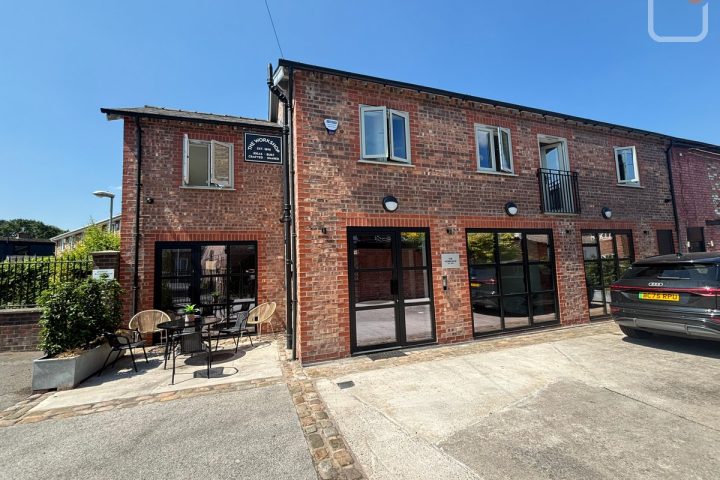
However, out-of-town offices can compete through different amenities, including generous parking, green space, on-site cafés, cycle facilities and attractive communal areas. The right choice depends on the workforce and where employees live.
Flexible and collaborative spaces
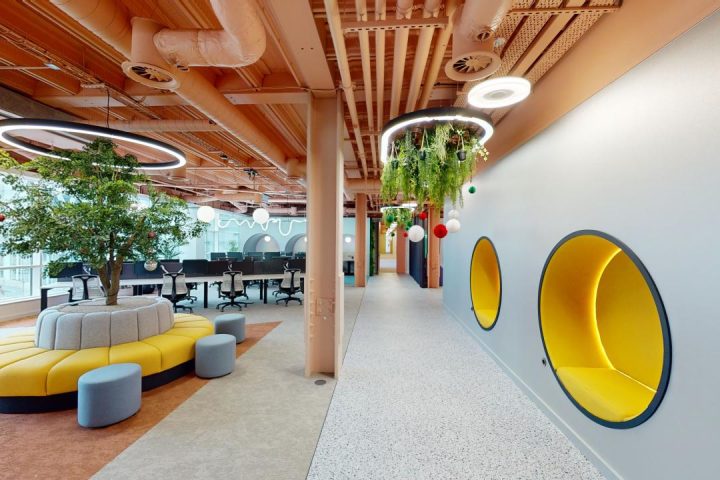
Modern workplaces need to accommodate different ways of working. A mixture of desks, meeting rooms, quiet areas and informal collaboration spaces can provide much greater flexibility than a traditional office layout.
Graduates can also benefit from spaces where they can learn from more experienced colleagues. While remote communication has its advantages, informal interactions can be particularly valuable for employees at the beginning of their careers.
Wellbeing and sustainability
Workplace wellbeing has become an increasingly important consideration. Natural light, comfortable temperatures, good ventilation and access to outdoor areas can all contribute to a more pleasant working environment.
Sustainability also matters. Younger professionals may be particularly interested in working for organisations whose environmental values align with their own.
Features such as cycle storage, electric vehicle charging, energy-efficient systems and green spaces can therefore support both recruitment and corporate sustainability objectives.
Technology needs to work
There is little value in providing a beautifully designed office if the technology does not support modern working.
Reliable Wi-Fi, video conferencing facilities, charging points and suitable meeting-room technology should be considered essential rather than optional extras.
The office is part of the employer brand
For businesses competing for graduates and young professionals, an office is more than a property cost. It can be part of the company’s identity and employee proposition.
The ideal workplace will differ between businesses, but the common theme is clear: younger professionals want offices that support how they actually work, socialise and develop their careers.